Why Vintage Guitars Still Dominate Blues Performance
In 2019, one of B.B. King’s Lucille guitars sold at auction for $280,000, nearly three times its $80,000 to $100,000 estimate.
Gear & Culture
Why Vintage Guitars Still Dominate Blues Performance
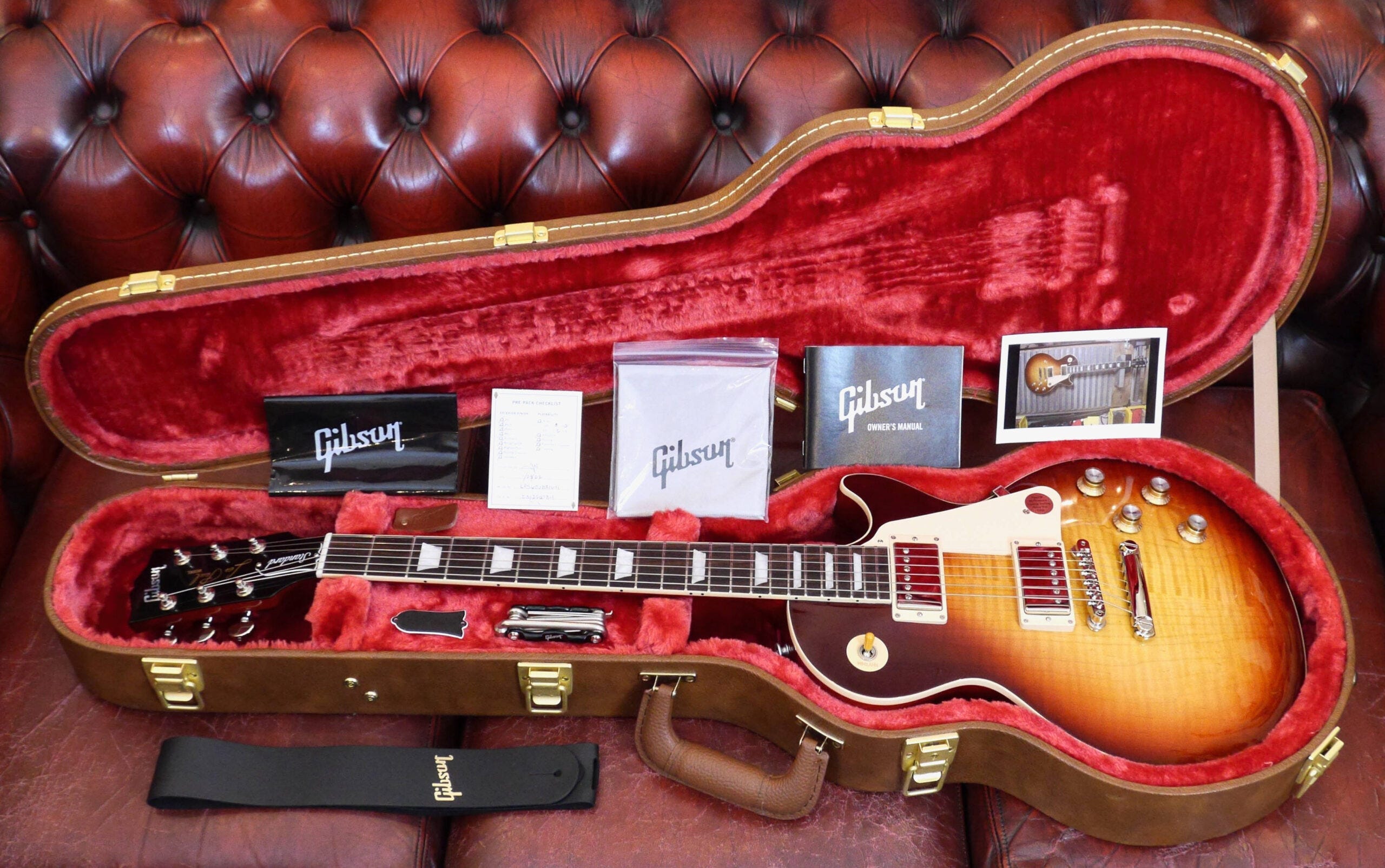
In 2019, one of B.B. King’s Lucille guitars sold at auction for $280,000, nearly three times its $80,000 to $100,000 estimate. A well-preserved 1959 Gibson Les Paul Standard, the model blues and blues-rock players call “the Burst,” lists for as much as $450,000 today. A brand new Gibson Custom Shop reissue of that same 1959 Les Paul, built to the same specs with the same materials, runs about $6,500. That’s roughly 1 to 3 percent of the original’s price. Yet touring blues players keep chasing the old ones, not the new ones. Here’s why the decades-old wood, cracked lacquer, and beat-up hardware still run the genre.
WHAT THIS ISSUE COVERS
By the end, you’ll know:
The specific guitars, and their real histories, behind B.B. King, SRV, Albert King, Muddy Waters, Buddy Guy, and Clapton
Why most of these guitars weren’t rare or expensive when the players bought them
What actually happens to wood and lacquer over 60 years, and where the science is genuinely settled versus still debated
The real price gap between original vintage instruments and today’s reissues, with verified numbers
What you can actually do to get closer to that sound without the six-figure guitar